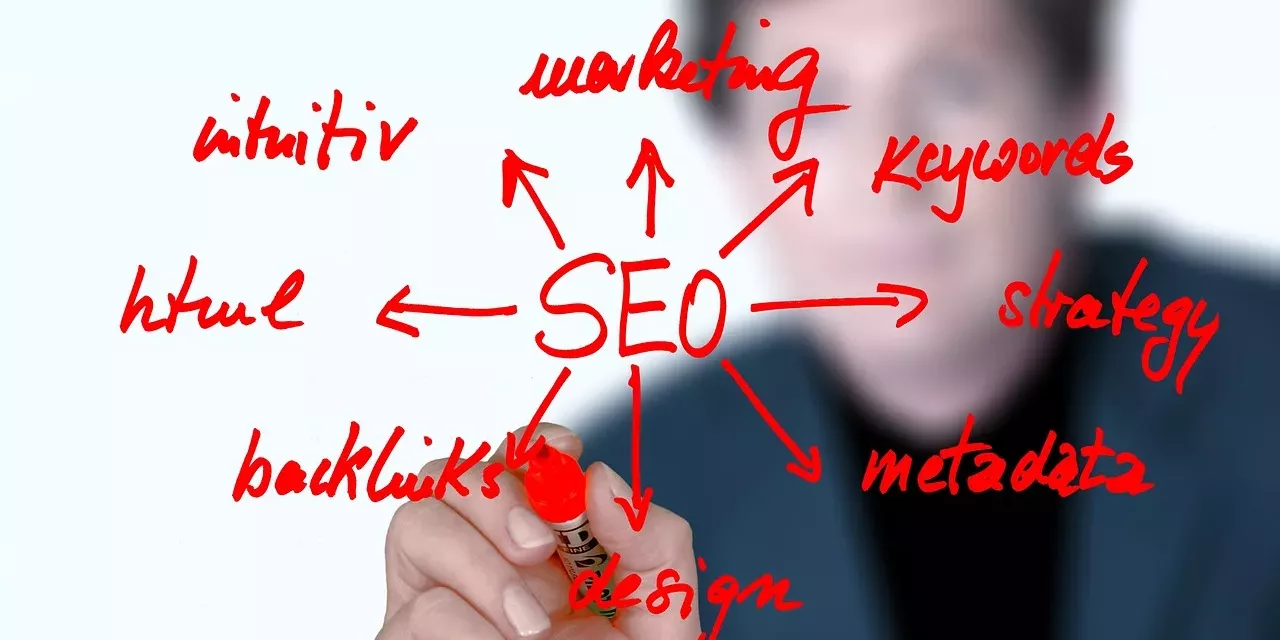
Search optimisation keeps evolving. Older manipulative practices, often called black-hat SEO, can harm a store’s visibility and credibility. Understanding the difference between useful optimisation and attempts to game rankings helps build a more durable strategy.
Outdated techniques and their risks
1. Keyword stuffing
Repeating a keyword as often as possible produces awkward copy and, in extreme cases, lists of terms with no useful meaning. The content is written for a presumed algorithm rather than for the person trying to find an answer.
Search engines can identify keyword stuffing and treat it as spam. It also makes a page less trustworthy and harder to use. Choose relevant terms and use them naturally where they clarify the subject.
2. Cloaking and doorway pages
Cloaking presents materially different content to search engines and visitors to manipulate rankings. Doorway pages target closely related searches while directing people towards substantially the same destination, without providing useful distinct content.
Both undermine the goal of helping users reach relevant information. Be transparent about what a page offers and make each landing page useful in its own right.
3. Hidden text and links
Text may be hidden by matching the background colour, placing it off-screen or reducing it to a tiny size. When the purpose is to manipulate rankings, this creates a spam risk.
This is different from legitimate interface elements such as accessible screen-reader text, tabs or expandable sections. The purpose and implementation matter: content should serve users, not hide keyword lists from them.
4. Link farms and paid ranking links
Relevant editorial links can help people discover useful resources. Artificial networks and paid links intended to pass ranking credit are another matter. Search engines may ignore them or take action against the manipulation.
Earn recommendations through useful work and content. Advertising and sponsorship links should be appropriately qualified, rather than presented as independent editorial endorsements.
5. Article spinning
Taking an existing article and changing a few words to create many apparently different versions rarely adds value. The same applies to mass-producing pages primarily to influence rankings, regardless of which tools generate them.
Original experience, useful research and a clear answer to the reader’s question are stronger foundations than a large volume of lightly rewritten copy.
What useful SEO looks like for an online store
Start with the questions customers ask. Provide accurate product information, clear comparisons and helpful guidance. Keywords should fit the subject naturally; context and usefulness matter more than repetition.
Support that content with a fast, mobile-friendly site, understandable navigation, secure connections, a clear URL structure and accurate structured data. Build relevant links by creating resources people have a reason to reference.
A sustainable approach
No technique guarantees a ranking. A strategy centred on useful information and a good shopping experience gives your business a more credible basis for long-term visibility than shortcuts designed to manipulate search results.