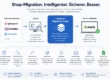
Platforms such as Shopify, WooCommerce and Adobe Commerce provide a basis for selling online. As the business grows, the next challenge is keeping orders, inventory and product information organised across systems. An ERP such as tricoma can help connect that work.
Lightport supports the planning and implementation of these integrations, from the store and its design to the operational processes behind it.
Meet the Lightport team
Explore our projects
Less manual work
Connecting shop, marketplace and ERP processes can automate recurring steps in order handling, inventory, invoicing and accounting. This reduces repeated data entry and helps prevent avoidable mistakes.
The aim is to free up time for work that needs your team’s judgement, rather than simply adding another system.
Connected sales channels
Orders, customer information and product data need agreed routes between the systems. With appropriate integrations, a store and marketplaces such as Amazon can share a consistent operational basis.
Define which system owns each type of data, how updates are synchronised and what happens when something fails. A clear process is as important as the connector itself.
Flexibility for growth
Adding products, entering a new market or preparing for a busy season should not require rebuilding the entire setup. We plan integrations around your requirements and the capabilities of the selected systems, with room for future changes.
A clearer view of the business
Bringing relevant operational data together helps with stock oversight, sales reporting and business decisions. Reporting is most useful when data definitions and responsibilities are consistent across channels.
Whether you already have a store and need an ERP, or are planning both together, we can help assess the next useful step. Our work includes tricoma setup, shop development, design and the integration of the agreed workflows.